Beyond the Padlock: How SSL Certificates Evolve from Encryption Tool to Strategic Trust Asset
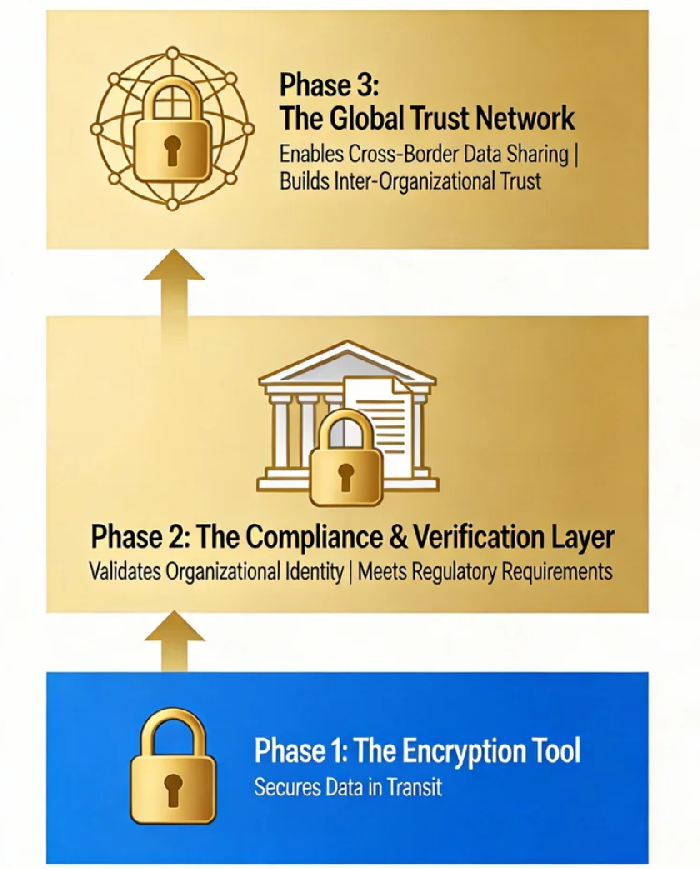
Let’s have a real conversation about the padlock icon. For years, we've treated the SSL/TLS certificate as a basic compliance checkbox—a technical necessity to get that "HTTPS" in the address bar and avoid browser warnings. It’s been filed under "infrastructure cost," a line item to renew. But what if I told you this view is not just outdated, but actively costing your business opportunity and resilience? We are at an inflection point where the humble SSL certificate is shedding its skin as a mere encryption tool and emerging as one of the most potent, yet overlooked, strategic trust assets in your digital portfolio.
The evidence is in the data and the shifting landscape. It’s not just about turning HTTP into HTTPS anymore. A financial tech platform saw its user registration conversion rate jump from 18% to 52% after deploying an Organization Validated (OV) SSL certificate—not because the encryption got stronger, but because the verified identity built instant user trust. Meanwhile, a seismic, industry-wide mandate is on the horizon: by 2029, the maximum lifespan for a public SSL/TLS certificate will be slashed to just 47 days. This isn't a minor technical tweak; it's a forced evolution from static infrastructure to dynamic, strategic trust management.
The padlock is no longer just a lock. It’s becoming a dynamic, constantly refreshed seal of authenticity, a compliance enabler, and a direct lever for commercial confidence. Let's explore why and how you need to reposition your thinking—and your strategy—accordingly.
The Pivot Point: From Technical Pipe to Trust Conduit
Traditionally, the value proposition of an SSL certificate was binary and technical: encryption (scrambling data in transit) and authentication (proving the server is who it says it is). This created a secure pipe, but the pipe itself was seen as a commodity. The strategic leap happens when we realize that the authentication component is not a binary technical check, but a scalable trust signal with graduated levels of assurance.
This is where the three main certificate types—DV, OV, and EV—stop being a simple feature list and become a strategic toolkit:
DV (Domain Validation): The utility player. It proves domain control, provides basic encryption, and is fast and cheap. Perfect for a blog or test environment, it's the "trust-lite" option. However, its ease of automation has also made it a favorite for phishing sites, highlighting its limitation as a pure trust asset.
OV (Organization Validation): The strategic workhorse. Here, a Certificate Authority (CA) verifies the actual business behind the domain—checking official registration details. The certificate embeds your company's verified legal name. When a user clicks the padlock, they don't just see "secure connection"; they see "Verified and owned by [Your Real Company Name]." This transforms the certificate from a security notice into a brand credibility tool. It answers the customer's subconscious question: "Is this a legitimate business?"
EV (Extended Validation): The trust premium. Involving the most rigorous vetting of legal, physical, and operational existence, an EV certificate triggers the most visible browser signals, historically the green address bar. It's the digital equivalent of a fortified storefront with a government-issued business license in the window. For sectors like finance, e-commerce, and government, it's a non-negotiable asset for establishing paramount trust. Research indicates EV certificates can boost user trust by over 40% and reduce successful phishing attacks by more than 90%.
The business impact is quantifiable. Beyond the registration lift mentioned earlier, an e-commerce platform conducting A/B tests found that pages with OV/EV assurance saw payment abandonment rates drop from 45% to 18%. The certificate directly mitigated purchase anxiety. Another compelling angle is regulatory compliance. Deploying OV or EV certificates provides auditable proof of identity verification, aiding compliance with frameworks like GDPR that mandate knowing your data processors. The certificate transitions from an IT cost to a risk mitigation and compliance asset.
The Impending Earthquake: Trust on a 47-Day Timer
Just as we're grasping this strategic value, the ground is shifting beneath our feet. The manual, set-and-forget model of certificate management is headed for extinction. A unanimous decision by the CA/Browser Forum means certificate lifespans are being drastically shortened: to 200 days in 2027, 100 days in 2028, and finally, 47 days by 2029.
This is a game-changer. The driver is security—shorter validity periods dramatically reduce the window for attackers to misuse stolen or compromised certificates and force faster adoption of newer, more secure cryptographic standards. However, the operational implication is profound: manual certificate management will become impossible. An organization with hundreds of certificates will face a relentless, weekly renewal treadmill.
This mandate flips the script entirely. Proactive, automated certificate lifecycle management is no longer a "nice-to-have" efficiency gain; it is the absolute prerequisite for maintaining your online presence and the hard-earned trust that comes with it. A certificate expiration that causes a site outage is no longer a minor IT incident; it's a direct breach of customer trust and a potential revenue loss event.
Therefore, the operational resilience of your certificate management process becomes a core component of your business continuity plan. The ability to seamlessly and automatically issue, deploy, and renew certificates across complex, multi-cloud environments (CDN, load balancers, origin servers) transforms from an admin task into a critical competitive advantage. It ensures your "trust signal" never flickers.
Architecting Your Trust Portfolio: A Strategic Framework
So, how do you move from seeing certificates as tools to managing them as assets? It requires a shift in both perspective and process.
1. Strategic Classification and Assignment
Conduct a "trust audit" of your digital properties. Not all assets need the same level of assurance.
Tier 1 (High-Trust Assets): Customer-facing login/checkout portals, main corporate site, API gateways for sensitive data. Strategy: Deploy OV or EV certificates. This is where your brand reputation is most on the line.
Tier 2 (Operational Assets): Internal applications, partner portals, staging environments. Strategy: Standardize on OV for legitimacy, or use cost-effective DV with internal monitoring.
Tier 3 (Ephemeral/Dev Assets): Developer sandboxes, short-lived microservices. Strategy: Leverage fully automated, short-lived DV certificates (e.g., via ACME protocol).
2. Embracing Automation as a Strategic Imperative
To survive the 47-day future, you must invest in automation now. This means adopting protocols like ACME (used by Let's Encrypt) for automated issuance and renewal. It requires integrating certificate management into your CI/CD pipelines and infrastructure-as-code practices. The goal is zero-touch renewal: a system that manages the entire lifecycle without human intervention, eliminating the risk of outages and freeing your team to focus on higher-value work.
3. Centralized Visibility and Governance
You cannot manage what you cannot see. Implement a centralized platform or consistent process to inventory every certificate across your entire estate—public, private, cloud, on-premises. This dashboard should track expiry dates, issuing CAs, and associated services. Governance policies should define ownership, renewal procedures, and escalation paths for failures. This centralized control turns certificate management from a fragmented nuisance into a governed, strategic function.
Conclusion: The Asset That Pays Dividends in Trust
The journey "beyond the padlock" is a journey from viewing security as a cost center to understanding trust as a revenue engine and risk mitigator. The SSL/TLS certificate is the bedrock of this trust in the digital realm. It is evolving from a static, technical component into a dynamic, living asset that requires strategic curation.
The businesses that will pull ahead are those that recognize this shift today. They will be the ones strategically deploying OV/EV certificates to directly boost conversion rates and brand prestige. They will be the ones who have built automated, resilient cryptographic management systems, turning the coming 47-day mandate from a threat into a demonstration of their operational maturity. They understand that in an online world rife with fraud and uncertainty, a robust, verifiable, and always-on identity isn't just IT's problem—it's the entire organization's most valuable digital commodity.
Start asking not just "Are our connections encrypted?" but "How are we architecting and showcasing our digital trust?" The answer will define your customer's confidence for years to come.